7 Essential Tips for a Faster Recovery After Colectomy
For many patients diagnosed with colon or rectum cancer, colectomy is performed as part of the colorectal cancer surgery that removes all or part of the colon. However, while the surgery is a major milestone, it is the recovery period that plays a significant role in helping individuals return to normal living.
Recovery from colorectal cancer surgery is not just about wound healing. Rather, it also involves proper nutrition, gradual physical activity, effective pain management, and careful monitoring of your body’s signals. Patients who follow effective recovery strategies often experience fewer complications, faster healing, and better overall outcomes.
If you or someone you know has undergone colorectal cancer surgery, it is essential to support your body during the healing process. In this blog, we will discuss 7 healing tips to help speed recovery after colectomy and improve your well-being.
What Is A Colectomy?
A colectomy is performed as a part of colorectal cancer surgery to remove the cancerous portion of the colon. During the procedure, either all or part of the colon (large intestine) is removed. Depending on the severity of the condition, the procedure might involve the following.
- Partial colectomy: Here, only the affected segment of the colon is removed.
- Total colectomy: It involves removing the entire colon.
- Hemicolectomy: Here, the surgeon removes either the right or left side of the colon.
- Proctocolectomy: It is a surgical intervention where the entire colon and rectum are removed.
After the diseased portion is removed, the remaining sections of the digestive tract are usually reconnected. In some cases, a temporary or permanent colostomy or ileostomy may be needed to allow waste to exit the body.
In addition to colorectal cancer, colectomy is suggested to treat conditions related to the colon, such as the following.
- Bowel obstruction
- Crohn's disease
- Ulcerative colitis
- Diverticulitis
- Formation of multiple precancerous colon polyps
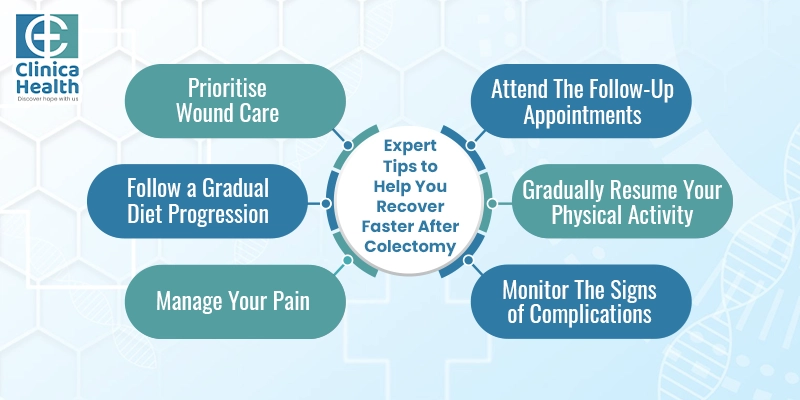
Expert Tips To Help You Recover Faster After Colectomy
Take a look at some of the recovery tips listed by Dr. Purnendu Bhowmik, a leading colorectal cancer surgeon, which can directly influence your quality of life.
Prioritise wound care.
Wound care is extremely essential after colon or rectal cancer surgery to prevent infections, discomfort and proper healing of the incisions. Always keep the incisional areas clean and dry. You can take showers, but avoid hot baths or swimming until advised by your surgeon. Follow your doctor’s instructions for dressing changes, and don’t forget to watch for signs of redness, swelling, or unusual discharge.
Follow a gradual diet progression
Nutrition after colectomy is important because your digestive system needs to adjust, especially when one portion of the colon is removed. It is recommended to begin with a low-fibre or soft diet before slowly returning to normal foods that aid in digestion. You can start with soups, broths, mashed vegetables and lean protein. However, avoid caffeine, alcohol, sweetened beverages and very spicy or greasy foods, as they can irritate the colon. Also, drink plenty of water to keep yourself hydrated and prevent constipation. Over time, get in touch with an experienced surgeon like Dr. Purnendu Bhowmik to understand if you can introduce fibre-rich food and resort to consuming a normal diet.
Manage your pain.
Soon after colorectal cancer surgery, it is normal for patients to experience pain, especially during the initial days of recovery. Though some pain is common, don’t overlook it. Take the medications as prescribed by your surgeon before it turns severe. You can engage in some strategies like gentle stretching, relaxation techniques and proper positioning to get relief. But never self-medicate or take drugs without consulting your surgeon.
Monitor the signs of complications.
Most patients recover quickly and safely after colectomy, especially if it is performed by a skilled surgeon like Dr. Purnendu Bhowmik. Still, it is crucial to be alert for the signs of complications. Contact your doctor immediately if you experience the following symptoms.
- Fever or chills
- Increasing redness or swelling around the incision
- Pus or unusual drainage
- Severe abdominal pain
- Persistent nausea or vomiting
- Difficulty passing gas or stool
- Shortness of breath
- Swelling of legs
Early detection is required to prevent complications and ensure that any concerns are treated promptly.
Gradually resume your physical activity
Rest is important, but slight physical movement is also required to improve blood circulation. Light movements such as short walks can help reduce the risk of blood clots and support overall healing. However, avoid heavy lifting, strenuous exercise, or intense physical activities until your surgeon advises that it is safe to resume them. Moreover, make sure to listen to your body. For example, if you experience excessive fatigue, dizziness and pain, report to your doctor immediately.
Attend the follow-up appointments
Follow-up appointments are part of the recovery process after colorectal cancer surgery. These consultations allow the surgeon to monitor how well you are healing and whether the bowel function is stabilising to normal. During regular check-ups, patients are also recommended to undergo blood tests, imaging and colonoscopy to identify issues in the early stage.
Take care of your emotional health
Just as with physical health, psychological well-being is also important after colorectal cancer surgery. Some patients experience anxiety, depression, and fear during the recovery process. This is quite normal, but it is essential to address them. Always maintain a positive outlook to cope with the emotional challenges. You can follow these strategies.
- Practise meditation and mindfulness.
- Talk to your family and friends.
- Seek professional help if required.
Conclusion
Recovery after colectomy requires patience and time. While the initial days might feel overwhelming, with the right strategies, they can greatly improve the healing process.
Remember that everybody heals at a different pace. Listen to your body and stay connected with your healthcare provider. You can get in touch with Dr. Purnendu Bhowmik, a reputed surgeon, for performing colorectal cancer surgery for expert care during the treatment and recovery journey.
 Call Now:
8010 552 552
7595 888 444
Call Now:
8010 552 552
7595 888 444
 Whatsapp Now:
8010 552 552
Whatsapp Now:
8010 552 552
 Email Me:
[email protected]
Email Me:
[email protected]
