-
 Call Now:
8010 552 552
-
 Whatsapp Now:
8010 552 552
-
 Email Me:
[email protected]
Call Now:
8010 552 552
Whatsapp Now:
8010 552 552
Email Me:
[email protected]

You notice a small, tender bump near your anus. A few days later, it bursts and drains something unpleasant. The pain and discomfort might be gone, and you might think that it is over. However, weeks later, it again appears in the same spot.
In such situations, you are not suffering from piles, a boil or an abscess. The symptom is an example of an anal fistula, a condition that is often mistaken for haemorrhoids and goes away without proper treatment.
The main problem that leads to complications of anal fistula is a delay in seeking timely medical advice. This is because the condition is highly misunderstood. It usually begins as a simple infection, due to which patients spend months applying ointments or sitting in warm water.
By the time patients consult the doctor, the condition has already progressed, which worsens the pain and discomfort. In this blog, Dr. Purnendu Bhowmik, the best fistula surgeon in Kolkata, gives a clear guide to help you understand the difference between an anal fistula and piles or an abscess.
An anal fistula is an abnormal little tunnel-like passage which forms between the inside of the anal canal and the skin around the anus. This occurs when an infected anal gland develops an abscess. Even when the abscess is drained or treated, the opening may remain, causing recurrent infections and discharge. Now, that tunnel is the fistula.
It keeps leaking pus, blood, or fluid to the skin. An anal fistula does not heal by itself because bowel contents and bacteria keep entering the tract from inside the anal canal.
The symptoms of an anal fistula are not the same for all individuals. They generally vary depending on the severity of the condition and the depth of the tract. As the best fistula surgeon in Kolkata, Dr. Purnendu Bhowmik lists the common symptoms patients complain of.
One of the defining characteristics of an anal fistula is the cycle of discomfort- there is pain followed by discharge, then relief follows, but again the problem returns. This on-and-off discomfort strongly suggests you have a fistula, not just piles.
Piles are a swollen collection of veins and tissues inside or around the anus and lower rectum, typically caused by constipation, straining and prolonged sitting. The typical symptoms of piles include
Piles do not create a tunnel or a continuous pus discharge. The main symptoms are bleeding and lumps, but not a persistent draining opening on the skin.
Whenever you consult one of the best fistula surgeons in Kolkata, like Dr. Purnendu Bhowmik, he will carefully assess your symptoms and recommend the appropriate diagnostic tests and treatment based on your condition.
An anal abscess is another painful condition in which there is pus discharge near the anus and rectum caused by infection. It is often the first stage that leads to a fistula. Some of the warning signs are as follows.
According to Dr. Purnendu Bhowmik, the best fistula surgeon in Kolkata, an abscess is generally more acute, developing over days and is extremely painful.
The main reason for the confusion between the diagnosis of the three conditions is that they develop around the same area and cause overlapping symptoms.
An abscess and a fistula are directly related and stages of the same infection. However, piles are a separate condition and have different causes.
The three conditions can look and feel alike and can even occur together, which is why it is easy to mistake one for another. Hence, a thorough examination by an experienced surgeon can confirm the actual condition.
Dr. Purnendu Bhowmik, one of the best fistula surgeons in Kolkata who is also well-known for the treatment of other anorectal conditions, conducts a thorough examination of the symptoms, recommends certain tests to identify the exact cause and plans the right treatment.
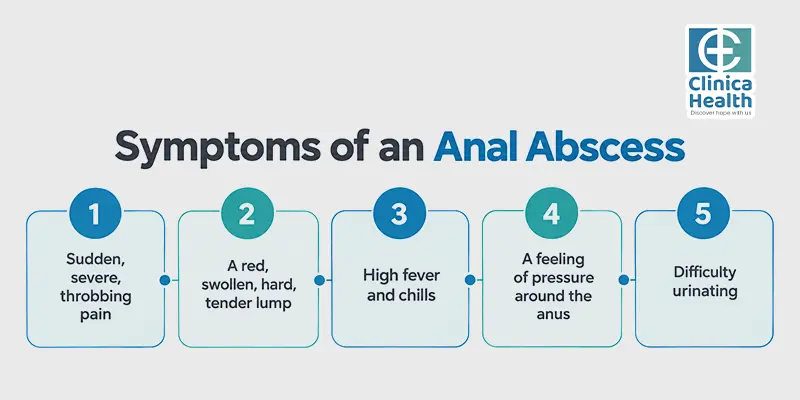
Fistulas, abscesses, and piles might look alike, but they have different patterns and require different treatment approaches. If you experience unusual symptoms near your anal region, don’t wait or ignore them.
Book your appointment with the best fistula surgeon in Kolkata, Dr. Purnendu Bhowmik, for an expert and confidential evaluation. The sooner you know what you’re dealing with, the sooner you can get back to living a normal, comfortable life.
Qualifications:
MBBS(Hons), MS(Surgery), FACS(USA), MRCS (Edinburgh), MRCPS (Glasgow), FMAS(Minimal Access Surgery), FALS(Colo-rectal surgery), FIAGES(Gastrointestinal Endo surgery), FAIS CC Laser proctology (Poland), CC Laparoscopic Hernia Surgery, Advanced Laparoscopy, GI & GI Onco and Laser surgeon