Pilonidal Sinus Surgery – Risks, Benefits, & Treatments
Are you experiencing a sharp pain in your tailbone, especially while sitting? You might be thinking it is a minor skin irritation or a pimple, but that oozing wound will eventually lead to discomfort if not treated at the right time.
This is not just a discomfort but indicates a pilonidal sinus, often a misunderstood condition that can result in severe infection when ignored.
While many patients hesitate to seek treatment and suffer silently, thinking that the condition will heal on its own. However, the reality is that it rarely resolves without medical intervention. There are many surgical techniques available to treat a pilonidal sinus.
Moreover, modern approaches like laser surgery for pilonidal sinus offer a minimally invasive way and a highly effective solution.
If you are not aware of what a pilonidal sinus is, this blog covers everything that you need to know about this health problem, including its causes, symptoms and treatment options. You will also get to learn about the benefits and risks of laser surgery to help you make the right choice and get immediate relief.
What is a Pilonidal Sinus?
A pilonidal sinus is an acquired condition which is characterised by trapping of hair inside a skin fold, particularly near the cleft at the top of the buttocks.
These trapped hairs lead to a foreign body reaction, resulting in the formation of a cyst. Over time, the cyst gets infected and gives rise to an abscess (pus-filled cavity), which eventually ruptures and forms a discharging sinus (pilonidal sinus). Once infected, there is a purulent discharge from the cysts consisting of pus and blood.
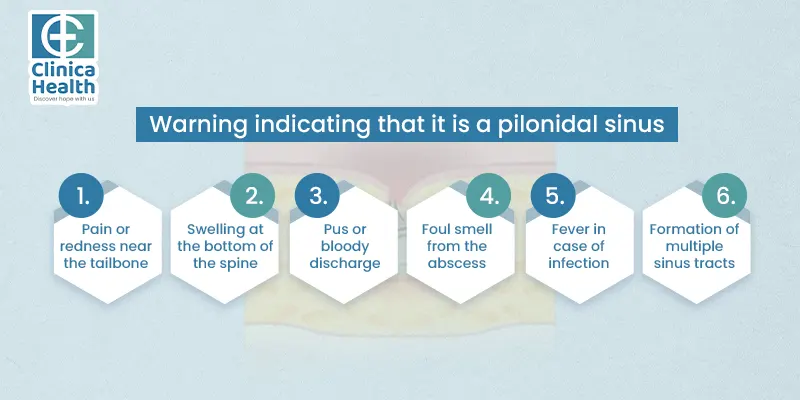
Warning Indicating That It Is A Pilonidal Sinus
Here are the following signs that indicate a high possibility of a pilonidal sinus.
- Pain or redness near the tailbone
- Swelling at the bottom of the spine
- Pus or bloody discharge
- Foul smell from the abscess
- Fever in case of infection
- Formation of multiple sinus tracts
If you are suffering or noticing these troublesome symptoms, undergoing laser surgery for pilonidal sinus will definitely provide relief.
Causes & Risk Factors
The exact cause of the pilonidal sinus is not established yet; however, its development is believed to be a combination of factors, including the following:
- Ingrown hair: Loose hairs penetrating the skin can cause irritation and infection.
- Friction and pressure: Sitting for long hours increases pressure, causing friction on the tailbone area.
- Poor hygiene: Inadequate washing of the area increases the likelihood of infection and skin irritation.
- Obesity: More skin folds can lead to increased sweating and bacterial growth.
- Family history: Some individuals may be genetically predisposed to developing a pilonidal sinus.
When Does Surgery Become Necessary For A Pilonidal Sinus?
In mild cases of pilonidal sinus, temporary relief is available through
- Keeping the buttocks clean
- Shaving the hair around the buttocks regularly
- Taking antibiotics for an infection
- However, laser surgery for pilonidal sinus becomes necessary under the following scenarios.
- Recurring infections or abscesses
- Persistent pain and discomfort
- Chronic multiple sinus tract
- Failure of conventional treatments
Treatment Options
The most commonly used techniques to treat pilonidal sinus are simple incision, excision, plastic surgery techniques & marsupialisation. However, these approaches come with certain drawbacks.
- Painful recovery,
- Higher risk of complications
- Long healing times
- Bleeding and infections
- Recurrence
- Scarring and cosmetic issues
The ideal treatment to manage pilonidal sinus is a laser procedure. Before the method, the affected area is properly cleaned to get rid of hair, debris and other infected tissues. This ensures that the laser beams can target the sinus without any obstruction.
During laser surgery for pilonidal sinus, a small incision is made to allow the laser probe to be inserted to destroy the lining of the sinus track and the abnormal tissues. The process also seals or closes off the tract to prevent it from reopening.
Benefits of Laser Surgery For Pilonidal Sinus
Laser treatment offers several advantages over traditional procedures.
- No major cuts and stitches
- No blood loss or pain
- Hardly takes 20 minutes to complete
- Low morbidity, with few wound-management problems
- Early resumption of normal daily activity
- Maximum patient comfort
- Takes a few days for complete wound healing
- No chance of further infections or hypertrophic scar
- Minimal risk of recurrence
Any Risks or Complications?
Like any other surgical intervention, laser surgery for pilonidal sinus comes with certain risks if performed by an inexperienced surgeon. Though rare, some post-operative complications include
- Bleeding from the treated area
- Infection with discharge of pus
- Severe pain and discomfort
- Allergic reaction to anaesthesia
Moreover, there are concerns which are specific to pilonidal sinus.
- Incomplete removal of sinus (rare in experienced hands)
- Recurrence (though lower with laser surgery)
- Delayed wound healing (less common with laser)
Hence, it is always advisable to consult a skilled surgeon like Dr. Purnendu Bhowmik to ensure quick and safe healing without any major problems.
Aftercare Of The Laser Procedure
Following the surgery, patients are advised to follow certain recommendations.
- Keep the area clean and dry.
- Avoid sitting for long hours in the first few days.
- Resume light activity in 24–48 hours
- Avoid strenuous activity or cycling for 2–3 weeks
- Follow up with your surgeon as advised
Is the Laser Procedure Covered By Insurance?
Many patients worry about the cost of laser surgery. They consider the treatment to be too expensive, leading them to keep the pilonidal sinus untreated, which gradually worsens the condition.
However, Dr. Purnendu Bhowmik, the best surgeon for laser treatments, offers mediclaim assistance to all patients to provide swift relief. He accepts all types of health insurance to ensure that every patient receives effective care without worrying about expenses.
Conclusion
If you are also suffering from a pilonidal sinus and traditional treatments are not showing any improvements, consulting a qualified surgeon like Dr. Purnendu Bhowmik is the best option for long-term relief and recovery. Dr. Bhowmik’s skill and expertise in laser surgery for pilonidal sinus will give you permanent relief from the discomfort.
 Call Now:
7595 838 844
8010 552 552
Call Now:
7595 838 844
8010 552 552
 Whatsapp Now:
8010 552 552
Whatsapp Now:
8010 552 552
 Email Me:
[email protected]
Email Me:
[email protected]
